Under-bridge access platform | Bridge inspection
vehicle-mounted underbridge mobile elevating work platform
PEMP-N 150/160
Reach, power and versatility for technical work on complex structures.
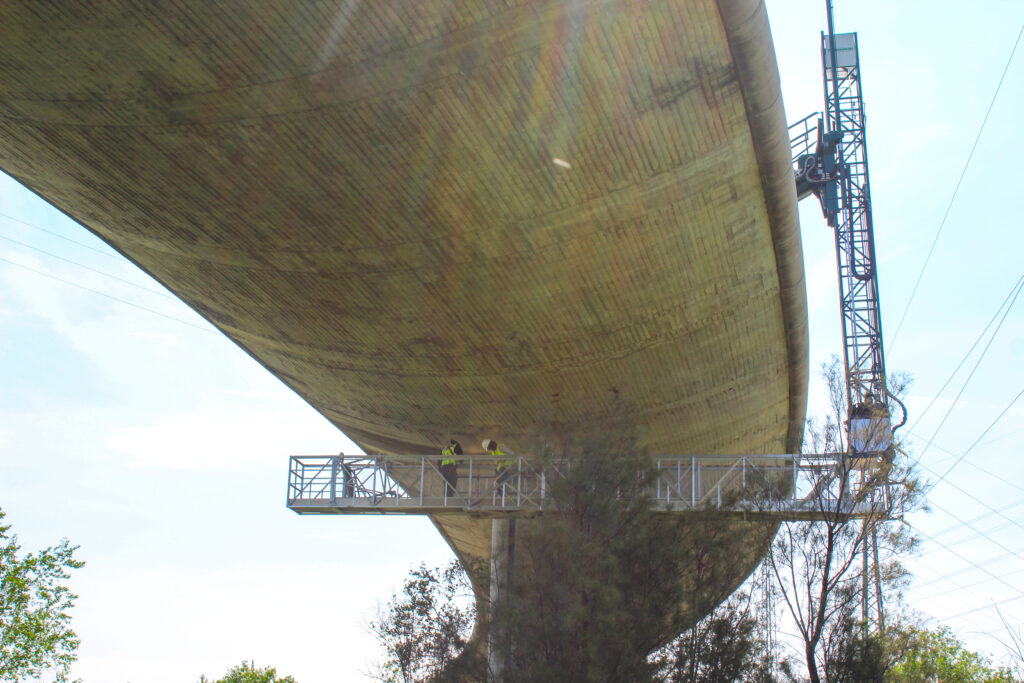
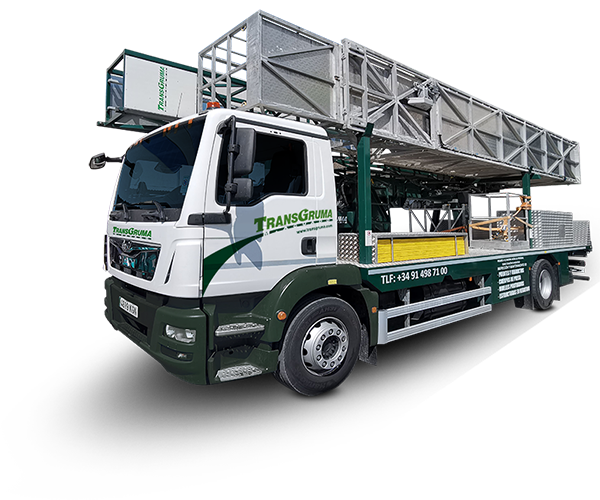
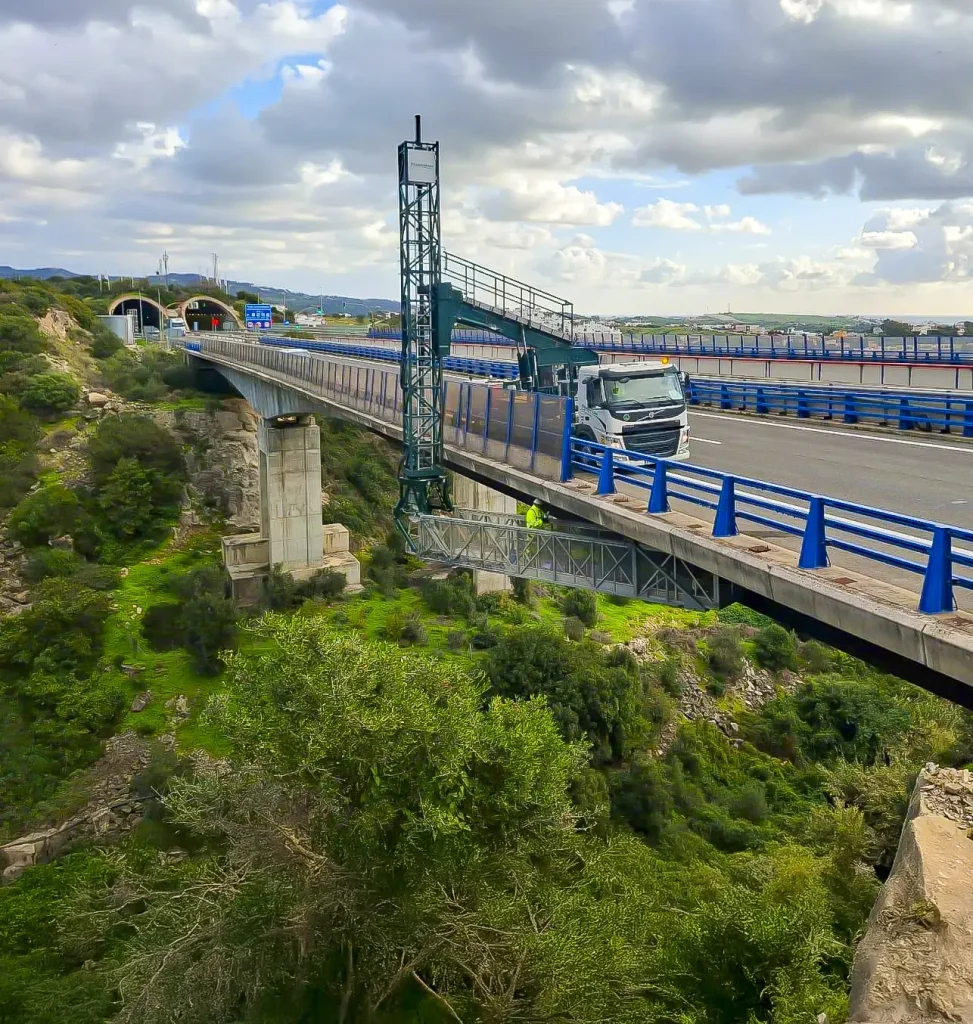
The 150/160 truck-mounted mobile elevating work platform is an under-bridge inspection unit, allowing safe access to areas located beneath the deck.
Available settings
PEMP-N 150
Higher load capacity (up to 500 kg)
Ideal for work involving a higher volume of tools or demanding technical intervention
PEMP-N 160
Greater range (up to 16 m)
Optimised for reaching further into areas under the dashboard without increasing the size of the equipment
Truck-mounted cherry picker hire for under-bridge work
Truck-mounted mobile elevating work platform
PEMP-N 150/160
Reach, power and versatility for technical work on complex structures.
The 150/160 truck-mounted mobile elevating work platform is an under-bridge inspection unit, allowing safe access to areas located beneath the deck.
Available settings
PEMP-N 150
Higher load capacity (up to 500 kg)
Ideal for work involving a higher volume of tools or demanding technical intervention
PEMP-N 160
Greater range (up to 16 m)
Optimised for reaching further into areas under the dashboard without increasing the size of the equipment
Truck-mounted cherry picker hire for under-bridge work
Truck-mounted mobile elevating work platform
PEMP-N 150/160
Reach, power and versatility for technical work on complex structures.
The 150/160 truck-mounted mobile elevating work platform is an under-bridge inspection unit, allowing safe access to areas located beneath the deck.
PEMP-N 150
Higher load capacity (up to 500 kg)
Ideal for work involving a higher volume of tools or demanding technical intervention
PEMP-N 160
Greater range (up to 16 m)
Optimised for reaching further into areas under the dashboard without increasing the size of the equipment
7,6
Max. negative range
15-16
Extended walkway length
300-500
Max. distributed load on walkway
2,7
Max. pavement width to negotiate
7,6
Max. negative range
15-16
Extended walkway length
300-500
Max. distributed load on walkway
2,7
Max. pavement width to negotiate
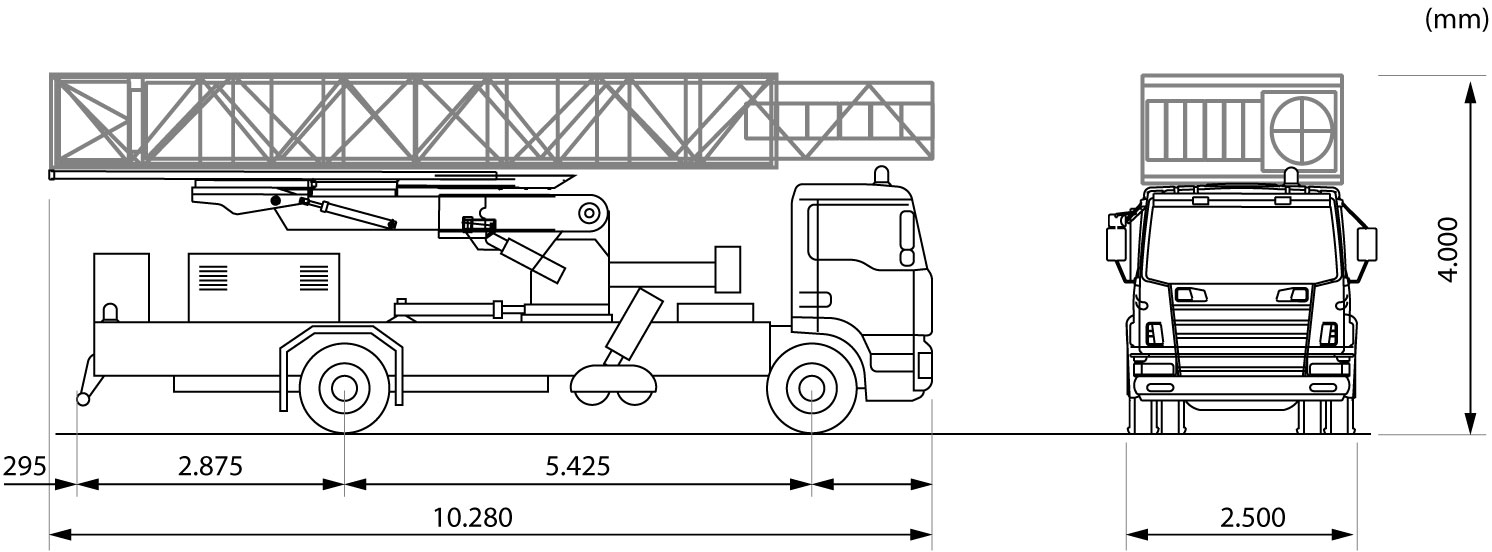
Technical information
Comparative table of all MEWP-N models
| Technical information | 70s | 70L | ✓ 150 | ✓ 160 | 150 PLUS | 160 PLUS | 170 | 190 |
|---|---|---|---|---|---|---|---|---|
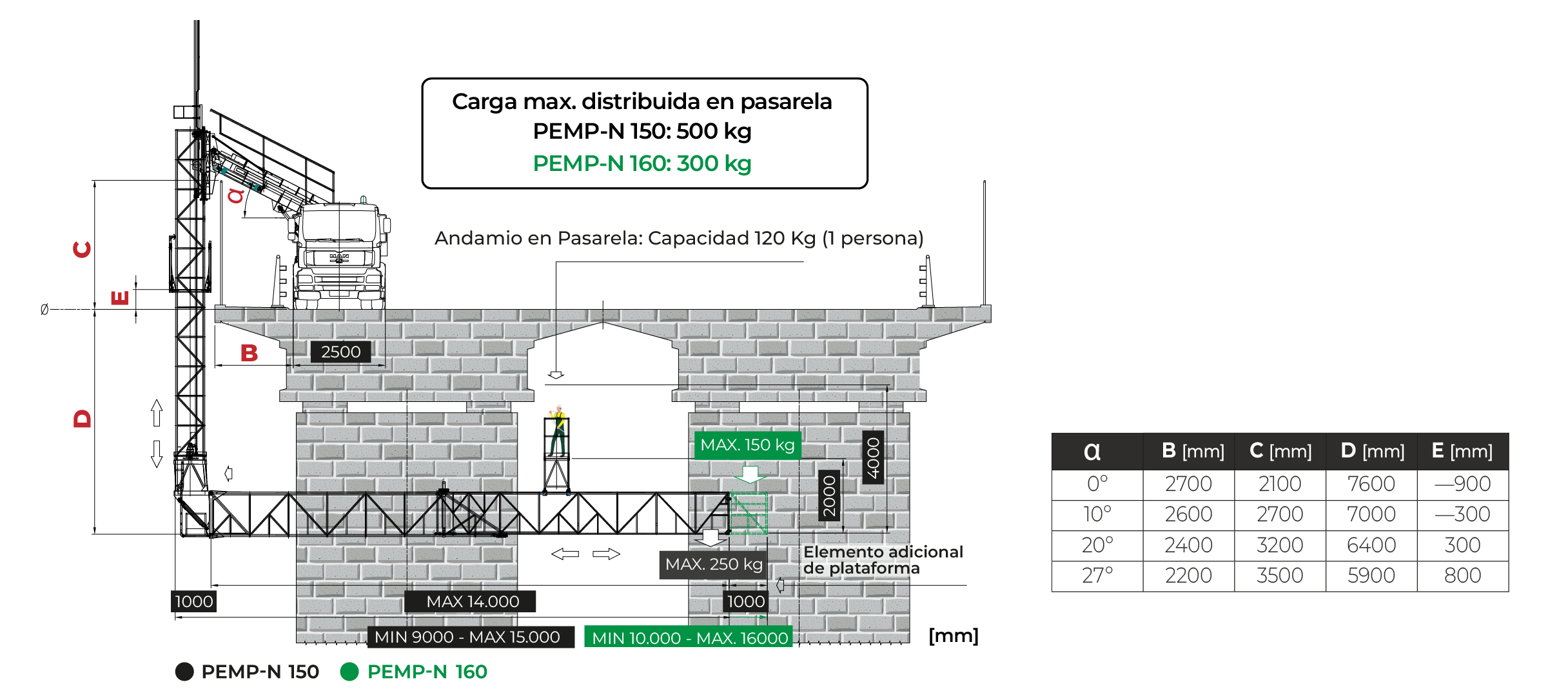
| (B) Maximum pavement width to be crossed | 1.7 m | 1.7 m | 2.7 m | 2.7 m | 3.9 m | 3.9 m | 2.6 m | 2.6 m |
| (C) Max. height of road safety barrier to overcome | 1.8 m | 1.8 m | 3.5 m | 3.5 m | 4 m | 4 m | 5 m | 5 m |
| (D) Maximum negative vertical reach | 4.3 m | 4.3 m | 7.6 m | 7.6 m | 8.5 m | 8.5 m | 8 m | 8 m |
| (E) Minimum vertical reach | 1.3m | 1.3m | -0,8 m | -0,8 m | -1.2 m | -1.2 m | -0.55 m | 1 m |
| Length of walkway unextended | 1.9 m | 3.45 m | 9 m | 10 m | 9.15 m | 10.15 m | 10 m | 12 m |
| Extended walkway length | 2.9 m | 7 m | 15 m | 16 m | 15 m | 16 m | 17 m | 19 m |
| Catwalk width | 2.1 m | 1 m | 1.1 m | 1.1 m | 1.1 m | 1.1 m | 1.3m | 1.3m |
| Maximum distributed load across the entire footbridge | 350 kg | 350 kg | 500 kg | 300 kg | 450 kg | 300 kg | 800 kg | 650 kg |
| Maximum load at the tip of the gangway | - | 150 kg | 250 kg | 150 kg | 300 kg | 150 kg | 400 kg | 250 kg |
| Maximum permitted wind speed | 12.5 m/s | 12.5 m/s | 12.5 m/s | 12.5 m/s | 12.5 m/s | 12.5 m/s | 12.5 m/s | 12.5 m/s |
| Gangway slewing angle | - | 180° | 180° | 180° | 180° | 180° | 180° | 180° |
| Maximum permitted bridge gradient | ±3° (±5%) | ±3° (±5%) | ±4° (±7%) | ±4° (±7%) | ±5° (±9%) | ±5° (±9%) | ±4° (±7%) | ±4° (±7%) |
Technical information
| Technical information | ✓ 150 | ✓ 160 |
|---|---|---|
| (B) Maximum pavement width to be crossed | 2.7 m | 2.7 m |
| (C) Max. height of road safety barrier to overcome | 3.5 m | 3.5 m |
| (D) Maximum negative vertical reach | 7.6 m | 7.6 m |
| (E) Minimum vertical reach | -0,8 m | -0,8 m |
| Length of walkway unextended | 9 m | 10 m |
| Extended walkway length | 15 m | 16 m |
| Catwalk width | 1.1 m | 1.1 m |
| Maximum distributed load across the entire footbridge | 500 kg | 300 kg |
| Maximum load at the tip of the gangway | 250 kg | 150 kg |
| Maximum permitted wind speed | 12.5 m/s | 12.5 m/s |
| Gangway slewing angle | 180° | 180° |
| Maximum permitted bridge gradient | ±4° (±7%) | ±4° (±7%) |
| Dimensions in transport mode | |
|---|---|
| Vehicle weight road mode | 18,000 kg |
| Overall vehicle length | 10.28 m |
| Overall vehicle width | 2.50 m |
| Total vehicle height | 4 m |
Professional equipment for MEWP-N 150/160
Rolling stabilisation system
Communication system

LED lighting system
Included equipment
Optional equipment
Check availability and price of optional / auxiliary equipment.
10 kVA hydraulic generator
Scaffolding
10.5 bar air compressor
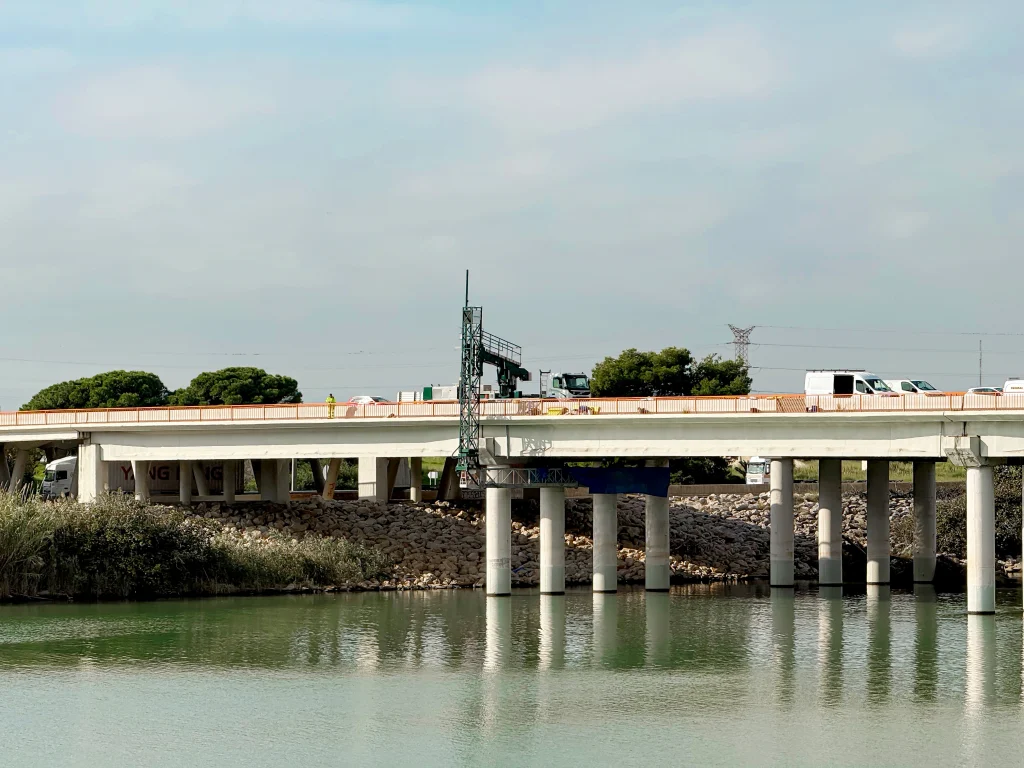
Professional equipment for MEWP-N 150/160
Rolling stabilisation system
Communication system
LED lighting system
Included equipment
Optional equipment
Check availability and price of optional / auxiliary equipment.
10 kVA hydraulic generator
Scaffolding
10.5 bar air compressor
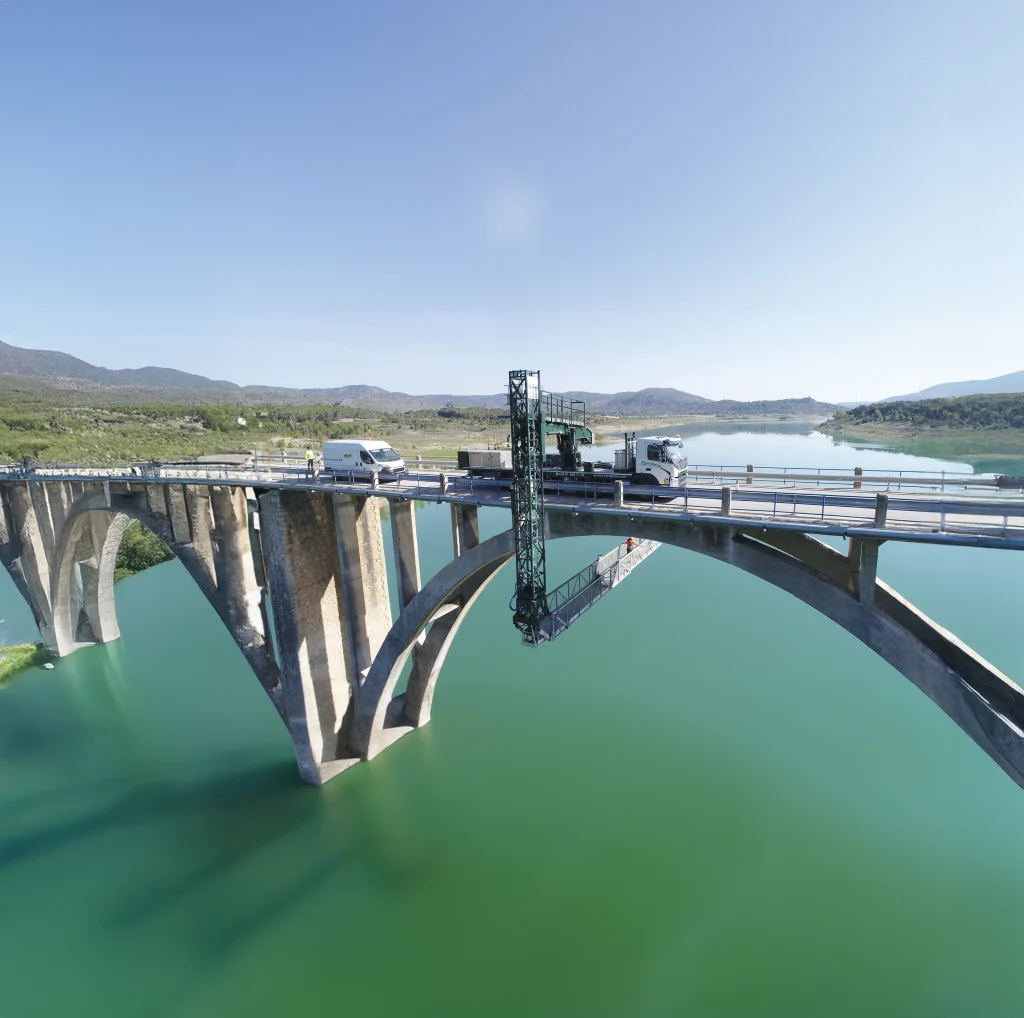
Ideal for bridges with complex geometry:
+dropped kerb+negative overhang+gradient
Advantages of the MEWP-N 150/160
Trade-off between range and capacity
The great advantage of this model is that it does not go to an extreme: the 150 offers a very solid payload for jobs involving more material or tools, and the 160 adds an extra metre of reach when geometry dictates.
Equipment prepared for technical intervention
The record includes 10 kVA of associated equipment and walkway scaffold with a 120 kg capacity, reinforcing its approach to maintenance and technical inspection beyond simple access.
Safety and operations in under-bridge work
Under-bridge MEWPs are specifically designed for negative work beneath structures, incorporating systems that guarantee operator safety and the continuity of work during the intervention.
Control and operation of the equipment
The operation is carried out from the working platform, allowing the technical team to maintain a direct and continuous view of the intervention area beneath the deck, which is key for inspection and maintenance work on bridges and viaducts.
Jobs where it fits best
Main applications of the underbridge truck-mounted platform
- Technical inspection of bridges and viaducts
- Replacement of bearings and neoprene pads
- Installation of drainage systems and under-deck collectors
- Installation of sensors for structural monitoring
- Welding and repair work
- Technical painting and abrasive blasting on metal structure
- Interventions in areas where it is necessary to combine reach and payload without moving up to larger equipment
What jobs is the MEWP-N 150/160 used for?
Specialised applications for bridges and viaducts
The 150/160 N-type MEWP is especially suitable for under-bridge interventions that require good reach, working capacity and a reasonable site footprint. It is a very appropriate solution for bridges and viaducts with standard configurations, where the aim is to reduce operational complexity without losing technical intervention capacity. This fits with its overcomeable footpath limits of 2.7 m and maximum barrier of 3.5 m.
FAQs
Frequently asked questions about mobile elevating work platforms
What is the difference between the PEMP-N 150 and the 160?
The 150 prioritises load capacity, with up to 500 kg y 250 kg on the toe. The 160 gains an extra metre of under-counter reach, up to 16 m, but reduce the load to 300 kg y 150 kg on pointe.
What type of bridges can this equipment cover?
It fits very well in bridges and viaducts with standard geometry where it is necessary to span up to 2.7 m of pavement and even 3.5 m of road safety barrier.
What jobs is it most recommended for?
For inspection, maintenance, repair, drainage, sensors, technical painting, grit blasting and the replacement of bearings beneath the deck. The exact combination will depend on whether payload capacity or horizontal outreach is a greater priority.
Is it hired with an operator?
Yes, Transgruma's service approach is rental with a specialised operator.
Shall we elevate your project?
Contact us today to discover how we can help you overcome your lifting challenges with safety and efficiency.